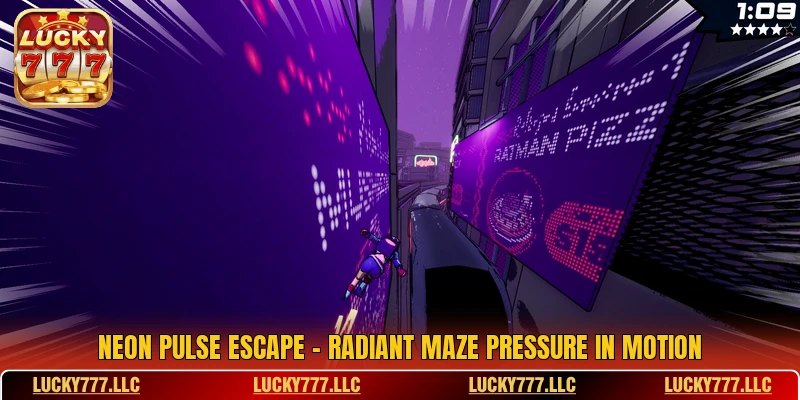
Neon Pulse Escape builds tension through glowing corridors plus sudden pulses across shifting danger zones. Each route feels measured by rhythm, sight control plus quick reaction. This article is written for arcade players at Lucky777 to help them understand pulse escape logic for the purpose of choosing cleaner moves.
Glowing maze introduction in Neon Pulse Escape
The maze begins with narrow lanes, bright panels plus sudden turns that test attention from the first screen. Neon Pulse Escape uses color pulses as warning signs, so movement feels tied to light rather than simple speed. Each section rewards calm reading because reckless movement can turn a safe corridor into a costly trap.
A strong route depends on timing, spacing plus awareness of every glowing edge near the character. The game often places safe tiles within 2 to 3 steps of danger, which keeps movement compact. This opening structure gives the maze a clear identity because pressure grows through visible rhythm instead of random surprise.
Unique visual design review of Neon Pulse Escape
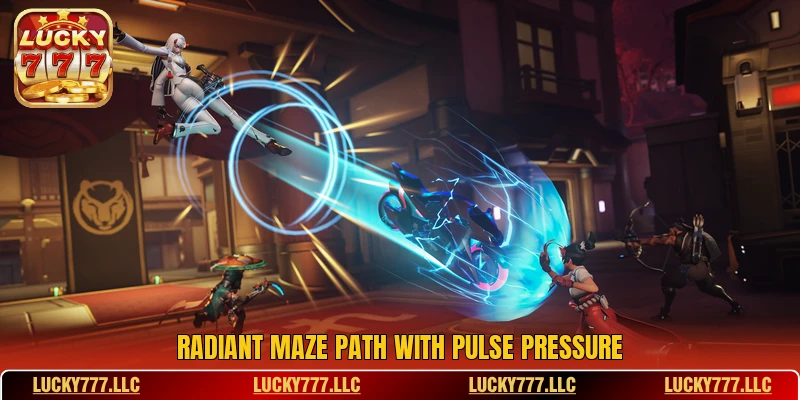
Visual design plays a major role because the screen must warn, distract plus guide at the same moment. Neon Pulse Escape uses sharp contrast between dark paths plus electric color, so hazards stay readable during faster turns. This style fits the escape theme because every glow carries movement meaning rather than empty decoration.
- Color pulse balance: Bright pink, cyan plus violet tones separate routes from traps without making the screen feel overloaded during faster scenes.
- Depth through shadow: Dark walls create strong corridor depth, so each glowing obstacle appears closer before the character reaches its danger zone.
- Motion clarity: Animated lines move in short loops of 1.5 to 2 seconds, which makes route timing easier to read.
- Interface restraint: Energy bars, escape markers plus warning icons stay near the screen edge to keep the center focused.

Illusion obstacle system in Neon Pulse Escape
Virtual hazards define the main rhythm because each danger pattern changes how movement feels. The maze becomes sharper when light, space plus timing start working against easy escape.
Shape shifting light walls in Neon Pulse Escape
Light walls move like living barriers because their edges expand, bend plus shrink across short rhythm cycles. A common wall pattern changes shape every 4 seconds, then leaves a gap for less than 1 second. Careful players often wait half a beat because early movement can place the character directly inside the next flash.
Each wall section uses color intensity to show risk before the shape fully changes on screen. Pale light usually signals a forming block, while dense neon marks an active hit zone. This visual rule keeps pressure fair because danger appears briefly before contact, yet the window remains narrow enough to punish slow reaction.
The strongest wall sequences appear near lane corners where vision becomes limited by the maze angle. A wall can cover 60 percent of the route, then split into two thinner barriers. That change forces a quick side step, but a rushed dash may hit the second shape before the path has stabilized.
View more: Broken Pixel Arena – Glitch Combat With Retro Bite
Luminous black hole traps drain player energy
Black hole traps create a different threat because they pull the character toward the center instead of blocking movement. Neon Pulse Escape treats these hazards as energy drains, with each contact removing around 12 percent from the meter. The suction range often begins 3 tiles away, so escape timing matters before visible contact happens.
The trap glow starts small, then widens into a circular field with a clear outer rim. This rim is important because crossing it slows movement by roughly 25 percent for a short moment. A safe route usually cuts around the edge rather than through the center because lost speed can trigger a second mistake.
Energy loss changes how later sections feel because a weakened character has less room for risky movement. Two black hole contacts can remove enough power to block a late sprint. The best response is not panic movement, but measured correction that preserves distance before the pull reaches full strength.
Continuous laser beams threaten character survival
Laser beams add direct pressure because they cross lanes at fixed angles while the maze keeps shifting nearby. A standard beam sweep may travel across the screen in 2.2 seconds, then reset after a short pause. Neon Pulse Escape makes these beams dangerous because timing errors often lead into another hazard immediately.
Beam color helps identify threat level before contact becomes unavoidable. Thin blue lines usually warn of a pending sweep, while thick red lines mark active damage. This two stage pattern gives enough time for reaction, yet the route can still fail when the character stands too close to a wall.
Some laser zones use overlapping paths that force the player to choose between waiting or moving through a small opening. The safest opening may last only 0.7 seconds, so hesitation can close the route fast. A clean move depends on reading beam direction first, then using short movement rather than a long dash.
Flashing floor tiles collapse under sudden steps
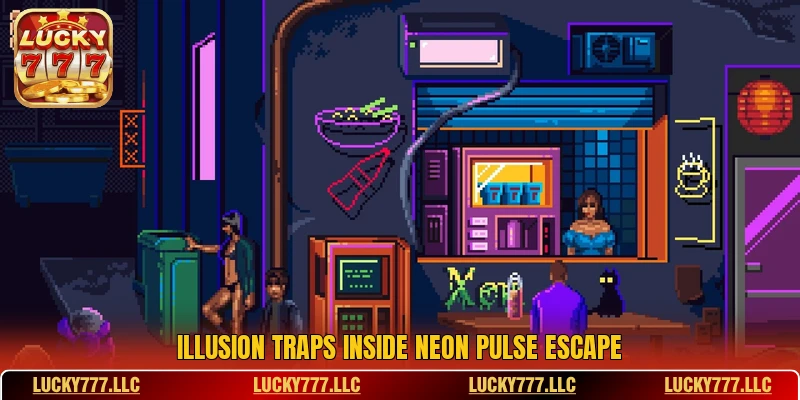
Floor tiles create pressure from below because safe ground can vanish after a short warning flash. The first blink often lasts 1 second, while later tiles may collapse after only 0.5 seconds. Neon Pulse Escape uses this obstacle to punish repeated movement patterns, since memorized routes become weaker when tile order changes.
A stable tile usually glows with a steady edge, while an unstable one flickers in uneven bursts. This visual detail matters because a wrong step can drop the character back several meters. The best path often uses diagonal movement, which reduces time spent on any single flashing tile.
Later floor sections combine collapse timing with narrow corridors, making recovery harder after a missed step. Some lanes place three unstable tiles in a row, with only one safe pause point between them. That setup forces steady pacing because rushing across the line can remove the last escape option.
View more Category: Arcade
Conclusion
Neon Pulse Escape works best when light, timing plus risk stay easy to read. Its maze design gives each obstacle a clear purpose without turning the pace into noise. Lucky777 can be a suitable place to create an account, then follow the escape rhythm with calmer decisions.
