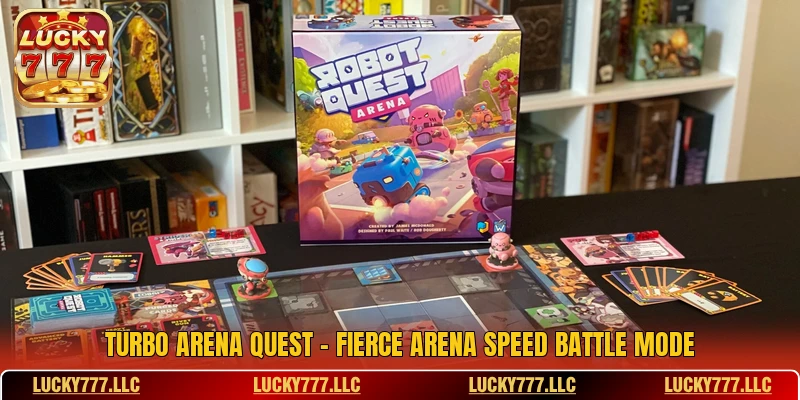
Turbo Arena Quest builds fast arena pressure through sharp movement plus clear danger signals. Each round favors calm timing, so speed becomes a readable combat tool. This article is written for arcade players at Lucky777, to help them understand speed combat, aiming for cleaner route control.
Speed gameplay review in Turbo Arena Quest
Arena speed matters because movement often decides survival before damage output becomes important. Turbo Arena Quest uses short combat lanes, sudden enemy pressure plus quick attack windows to keep each screen active. A strong run begins when movement stays calm while threats appear from several directions.
Combat flow feels direct because enemies rarely wait in fixed positions for long. Some rush forward in tight groups, while others create pressure from wider angles around the arena edge. This pattern rewards early reading because a late reaction can turn a clean lane into a risky corner.
The pace also works because every action has visible weight during a round. Speed becomes useful when movement connects with attack timing, not when motion turns careless. A clean dodge, short burst plus stable aim often matter more than pressing every command at once.
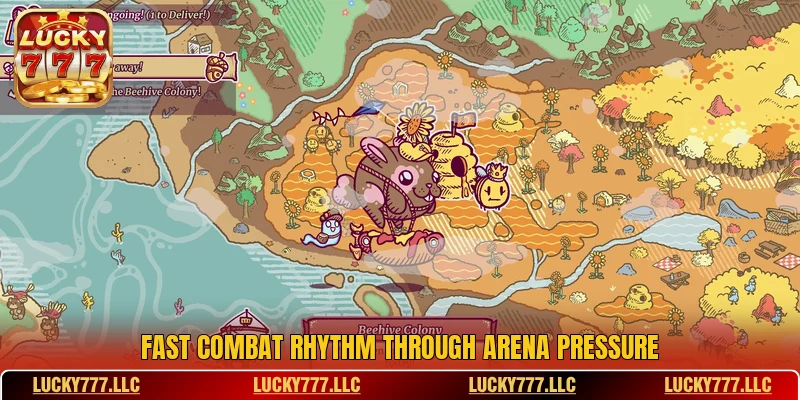
Combat acceleration skills in Turbo Arena Quest
Speed skills shape the rhythm of close combat through timing, distance control plus reaction discipline. Stronger movement feels more useful when each action fits the pressure already forming on screen.
Using jet thrust in Turbo Arena Quest
Jet thrust works best when the arena becomes crowded near the front lane. The skill creates a fast escape path through hostile pressure, yet careless use can send the fighter into another threat. Clean timing begins when the gap is visible before the dash command lands.
This movement skill also helps break enemy formations that depend on tight spacing. A sharp thrust can pass through the outer line, then place the fighter near a safer attack angle. The safest use usually comes after watching how enemies turn, pause plus rebuild their chase route.
Control matters more than distance during each thrust sequence. Long movement may look powerful, but a shorter dash can keep the fighter closer to the next strike zone. The best rhythm comes from reading the arena edge, choosing the gap early plus landing with enough space.
Activating rage to raise melee damage
Rage changes the fight by turning short melee contact into stronger pressure. The skill suits moments when enemies already stand within reach, since wasted activation can drain value before the next clash. Damage feels clearer when the fighter enters with stable footing, not blind aggression.
Close strikes gain sharper impact in Turbo Arena Quest when rage meets the right opening. A rushed trigger can fail against scattered targets, while a patient trigger can remove danger near the center. The skill rewards players who watch enemy spacing before committing to heavier melee pressure.
View more: Neon Pulse Escape – Radiant Maze Pressure In Motion
Rage also supports recovery after a difficult wave forces the fighter backward. Stronger hits can rebuild control, especially when a small group blocks the safest path. Good use depends on ending the burst cleanly, then returning to movement before the next enemy pattern closes in.
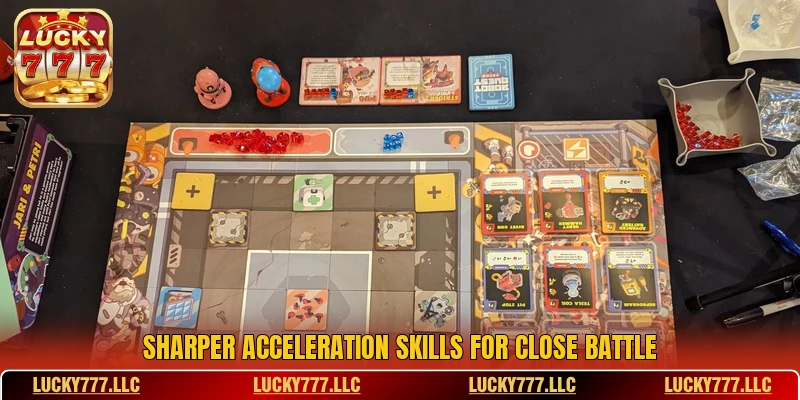
Riding sonic waves to knock back targets
Sonic wave movement changes pressure by pushing threats away from the fighter. The skill is useful when the arena turns narrow, since knockback creates breathing room without requiring a full retreat. Its value depends on direction because a poor angle may scatter targets into harder positions.
The wave effect in Turbo Arena Quest feels strongest when it resets space during crowded moments. It can lift nearby enemies, slow their advance plus help the fighter recover a cleaner route. This makes the skill useful for control rather than raw damage alone during tense screens.
Timing keeps the sonic wave from becoming a panic command. Saving it for a tight approach can prevent damage while keeping the fighter near active targets. Better results come from pairing the wave with small movement shifts, so knocked targets do not return from the same angle.
Spinning cyclone cuts through flying projectiles
Cyclone defense works as a moving shield when projectiles fill the combat lane. The spin can cut through incoming shots, but its value depends on starting before the screen becomes fully blocked. A late spin may remove some danger while still leaving the fighter trapped.
Projectile pressure in Turbo Arena Quest often arrives with enemy movement at the same time. Cyclone attacks help because they clear flight paths while dealing damage near the fighter. This dual role makes the skill useful during waves that mix ranged danger with close pursuit.
Good cyclone timing needs restraint because the skill should not replace regular dodging. Holding it for dense projectile moments keeps the fighter safe when normal movement has limited room. After the spin ends, a short reposition helps avoid standing where the next shot pattern begins.
Challenge progression in Turbo Arena Quest
Challenge progression should feel readable even when arena speed rises across later rounds. Turbo Arena Quest builds this pressure through movement checks, enemy variety plus resource timing. Each objective becomes easier to judge when the player reads danger before chasing damage.
- Speed gate: clear the first rush wave before the side timer ends to keep the next lane active
- Shield breaker: strike armored enemies after their guard flash fades, because early hits waste precious attack rhythm
- Combo trial: maintain close range during three clean defeats, then step back before ranged units surround the fighter
- Hazard lane: move across warning tiles only after the pulse fades, since panic movement often creates extra damage
- Final surge: save the strongest skill for the last enemy cluster, then finish with controlled movement through the center

View more Category: Arcade
Conclusion
Turbo Arena Quest works best when speed, attack timing plus arena reading stay connected. The game rewards calm reactions because fast movement only helps when each route has a clear purpose. Lucky777 can suit a focused session, so create an account when ready for this style.
