

Storm Circuit Run frames storm speed through tight lanes, sharp timing, plus weather pressure. Each round feels tense when movement choices shape survival before hazards reach the screen. This article is written for Lucky777 arcade fans to help them understand storm-run logic, aimed at cleaner racing decisions.
Overview of the brutal track in Storm Circuit Run
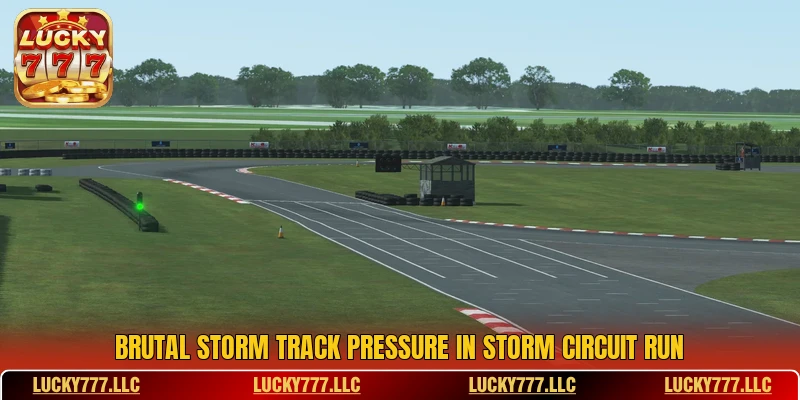
The track design in Storm Circuit Run builds pressure through narrow lanes, unstable ground, plus sudden weather shifts. Every section asks for measured movement because speed loses value when timing breaks. The harsh route feels fair when players read signals early, control drift angles, then enter each gap with clear purpose.
Visual pacing makes the route feel tense without hiding the main racing line from view. Warning flashes, surface changes, plus distant storm cues help players prepare before danger reaches the character. Strong play depends on rhythm because reckless acceleration can turn a safe lane into a failed run within seconds.
Final round scoring rules in Storm Circuit Run
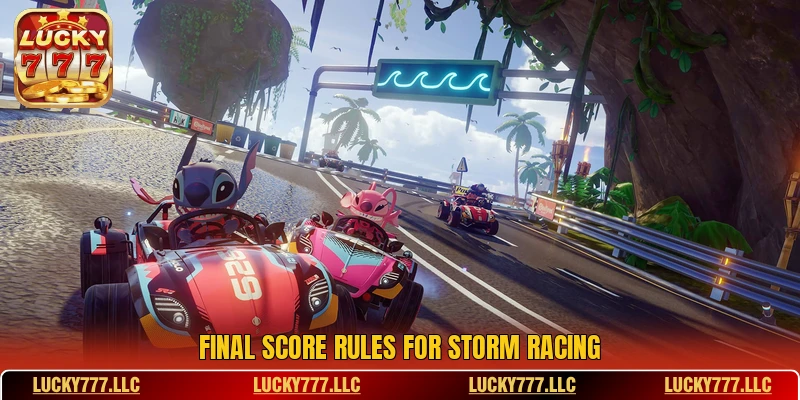
Scoring in Storm Circuit Run depends on distance, survival quality, plus clean reactions during unstable weather pressure. A strong final result rarely comes from speed alone because mistakes reduce the value of long movement streaks. The system rewards steady control, quick recovery, plus smart use of safer lanes near dangerous track sections.
- Distance value: Longer travel increases the base score when the run stays active through several storm sections without major mistakes.
- Clean lane bonus: Stable movement through tight passages adds extra value when the character avoids repeated wall contact.
- Hazard dodge mark: Timely movement around weather traps improves the final record because the system reads risk handling clearly.
- Shield preservation: Remaining shield strength matters near the end since late damage can reduce a strong performance.
- Combo stability: Consecutive clean actions raise score potential when movement rhythm stays steady across rough circuit changes.
- Finish condition: The final result becomes stronger when survival time, pace control, plus obstacle reading stay balanced.
- Storm chain bonus: Extra value appears when several weather hazards are cleared in sequence without losing lane control or breaking movement rhythm.
Difficult weather traps in Storm Circuit Run
Storm pressure changes how each track section feels before the main danger becomes obvious. Careful reading keeps the route understandable while tension grows across every racing segment.
Deadly tornado sweeping everything from the road
A tornado trap changes the road from a straight racing path into a moving pressure zone. Its pull can drag the character away from safe lanes before a proper correction begins. The strongest response is early spacing because late movement often leaves too little room for recovery.
The danger feels stronger when the tornado crosses near corners or broken track edges. In Storm Circuit Run, this hazard punishes blind speed because strong momentum can carry the character into its pull. Clean play means slowing slightly, holding the center line, then leaving only after the wind path clears.
Some tornado patterns appear after quiet stretches, so attention must stay active during calmer seconds. A small dust spiral can signal the next pull before the full trap forms on screen. Players who read that cue gain enough time to shift lanes without losing the entire run rhythm.
View more: Crystal Pulse Run – Shining Speed Through Crystal Tracks
Lightning strikes that burn shields in Storm Circuit Run
Lightning traps create sharp danger because their warning time feels short compared with other weather effects. The strike zone often appears as a bright mark before impact reaches the road. A safe reaction depends on reading the flash quickly, then moving away without cutting into another hazard.
Shield damage matters because lightning can remove protection that later sections require. Losing that buffer too early makes minor contact more expensive near the final stretch. This gives each strike added weight since the trap affects both current safety plus future scoring strength.
The best rhythm is not constant movement because panic can create wider mistakes. A short pause near a safe edge may work better than a rushed lane switch. When the warning mark appears near traffic or debris, controlled timing protects the run more than raw speed.
Snowstorm slowing character movement significantly
A snowstorm trap affects movement by reducing the clean response window during lane changes. The character may feel heavy when turning through icy sections or narrow corners. In Storm Circuit Run, this weather effect makes timing stricter because late input can fail before reaching a safe path.
Slow movement also changes how obstacles should be judged across the track. A gap that looks open can close before the character reaches it under reduced speed. Players need earlier decisions, softer turns, plus stronger awareness of nearby hazards when snow covers the circuit.
The trap becomes harder when snow pairs with surface cracks or moving barriers. Reduced speed limits escape routes, so planning must begin before the danger zone feels crowded. A stable line through the middle often gives more control than chasing every side bonus during heavy weather.

Dense fog hiding obstacle vision
Fog changes the track by reducing the time available to read upcoming danger. Obstacles may appear late, so movement must stay compact rather than wide or careless. The safest approach favors lane discipline because sudden turns become risky when the screen gives fewer clear signals.
Sound cues and road rhythm become more important while visibility drops across the circuit. In Storm Circuit Run, fog rewards players who remember obstacle timing from earlier track patterns. This makes observation useful because repeated routes can reveal hidden structure even when the view becomes unclear.
Dense fog also increases pressure near fast sections because speed shortens reaction time further. A player who keeps movement centered can still adjust when shapes appear through the haze. Strong runs usually come from calm steering, careful acceleration, plus respect for the hidden track rhythm.
View more Category: Arcade
Conclusion
Storm Circuit Run works best as a speed test shaped by weather pressure, scoring rhythm, plus careful hazard reading. The track feels sharper when each movement choice supports survival instead of careless acceleration. Lucky777 players may create an account when ready, with steady focus plus good luck.
